
Industrial Oven Maintenance Practices that Support Finishing System Performance
Industrial ovens serve as a critical engine within a production line by directly influencing final coating quality, energy consumption, and overall throughput. When industrial oven maintenance is overlooked, temperature inconsistencies, airflow issues, and equipment failures can quickly impact production efficiency.
Prioritizing consistent maintenance helps reduce the risk of these disruptions, supporting efficient thermal processing performance while protecting the bottom line. To keep manufacturing processes performing reliably, this guide outlines essential preventive practices to maintain operational consistency.
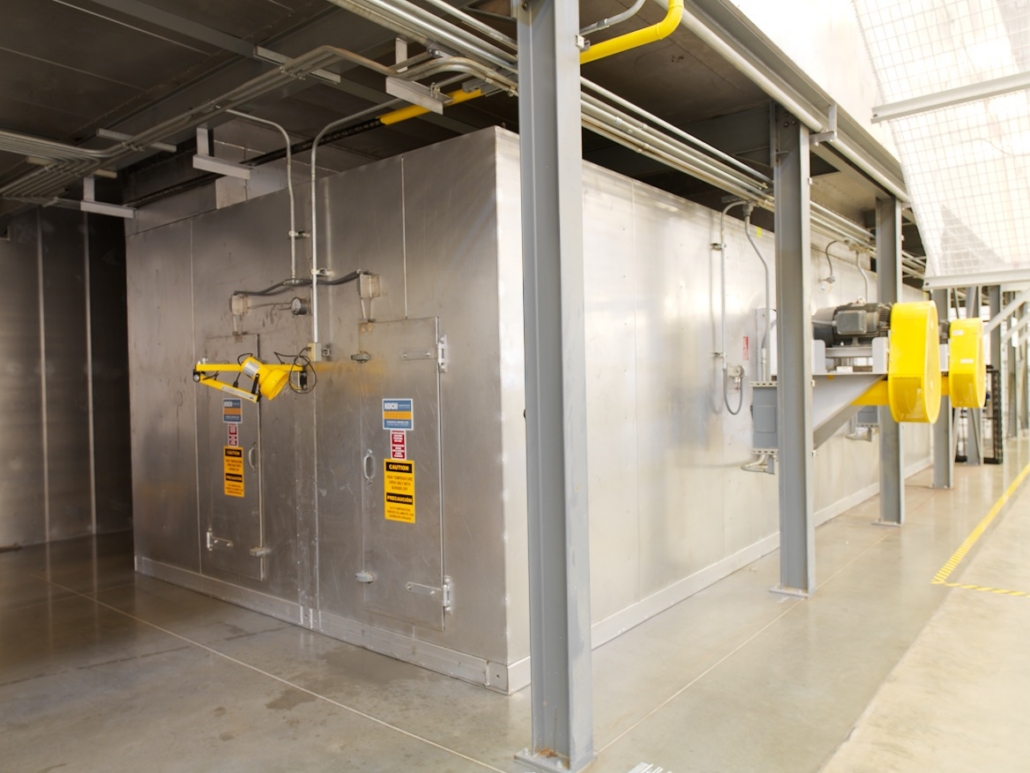
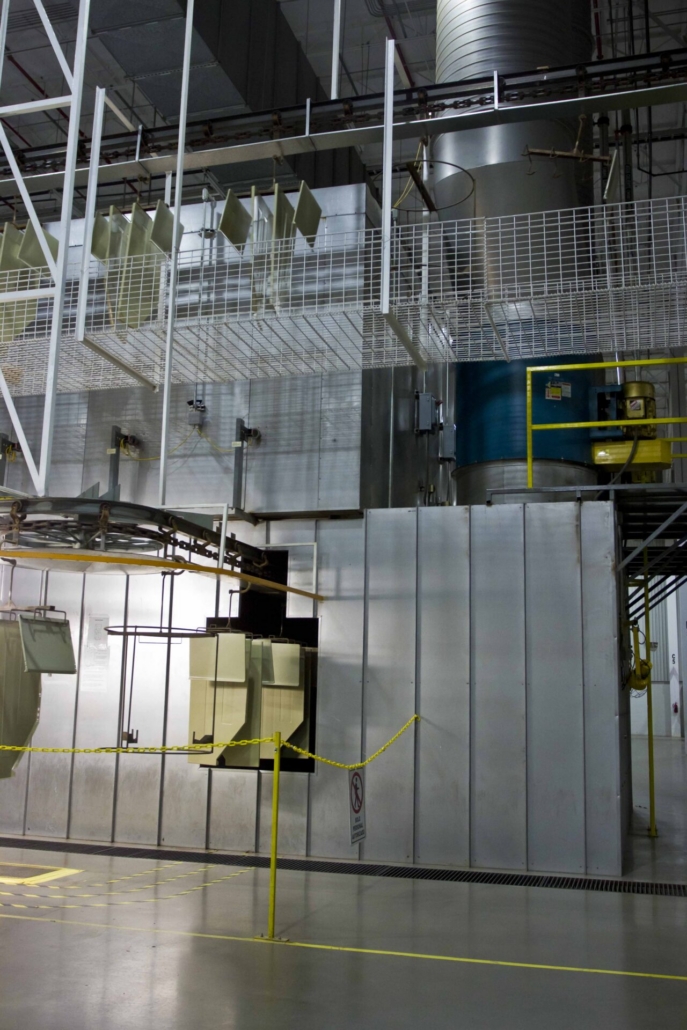
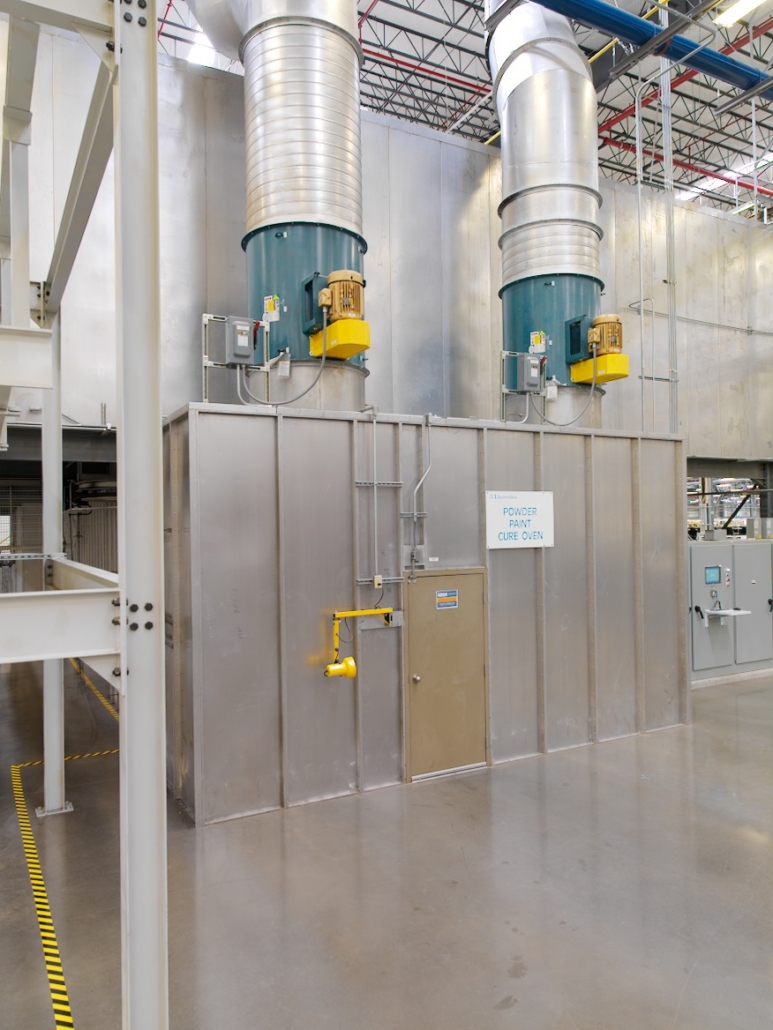
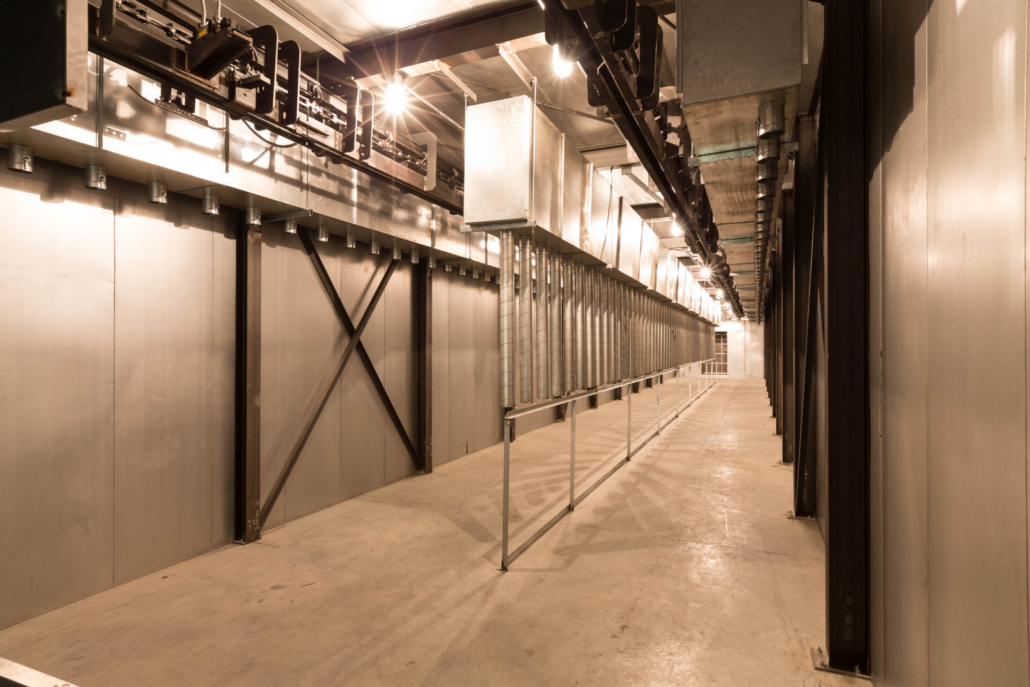
Calibrating Heat Sources and Testing Oven Temperatures
Consistent heat is the foundation of high-quality finishing. If the temperature of the heating system spikes or drops, coatings could under-cure and peel off or over-cure and change color. This goes to show how vital this step is for cost-effective industrial oven maintenance.
Running routine temperature tests ensure the heat inside matches the requirements of the coating. These steps help keep the heat source working reliably:
- Tuning the Burners. Adjusting the air-fuel mixture keeps the burner running cleanly to lower energy bills.
- Checking Electrical Elements. Inspecting the heating coils for damage prevents cold spots that lead to uneven baking.
- Using Temperature Data Loggers. Sending a data logger through the oven provides a detailed record of the temperatures that parts experience throughout the curing cycle.
- Testing Control Sensors: Verifying temperature sensors and control devices helps confirm that displayed temperature readings accurately reflect actual oven conditions.
Checking and Balancing Oven Airflow
Proper heat distribution relies heavily on how air moves through the cure chamber. If airflow becomes restricted or uneven, pocketed heat zones form. This leads to inconsistent cure quality across different parts of the same batch. Maintaining uniform air circulation is a pillar of comprehensive industrial oven maintenance that directly protects production yields.
Improperly balanced air handling systems can also cause solvent vapors to build up, creating safety hazards and stalling exhaust efficiency. Because airflow directly impacts ventilation safety, syncing these checks with broader preventive maintenance measures for paint lines ensures comprehensive facility safety.
Focus on these direct checks to keep internal circulation consistent and balanced throughout the oven:
- Inspecting Exhaust and Supply Fans. Cleaning debris from fan blades prevents vibrations and ensures the system moves the volume of air it was engineered to handle.
- Balancing Air Distribution Ducts. Adjusting internal dampers ensures that hot air is distributed evenly across sections of the baking zone.
- Checking Static Pressure Levels. Measuring pressure differentials helps verify that airflow and exhaust systems are operating as intended.
- Auditing Exhaust Ductwork. Clearing buildup from ductwork helps maintain proper exhaust flow and reduces the risk of vapor accumulation within the facility.
Changing Air Filters to Prevent Coating Contamination
Keeping the air inside the industrial oven clean is essential for protecting the finish on parts. When dust, dirt, or nearby paint spray drifts into the baking area, those particles settle right onto the wet or uncured coating. This creates rough spots and blemishes that spoil the look and lower the quality of the final product.
Clogged filters also choke the airflow, forcing the fans to work harder and driving up electricity bills. Including scheduled filter changes in everyday industrial oven maintenance helps reduce these dirt issues before they cause part rejections. Focusing on these simple steps keeps the inside of the oven free of debris:
- Replacing Intake Filters. Changing the fresh air filters stops dust and dirt from the factory floor from getting sucked inside the oven.
- Swapping Recirculation Filters: Updating the internal filters prevents old paint powder or mist from constantly blowing back onto the parts.
- Watching Pressure Gauges. Checking pressure gauges helps identify when filters are becoming restricted and may need replacement.
- Checking Filter Frames. Making sure the filters fit snugly in their frames prevents dirty air from slipping through gaps around the edges.
Maintaining Conveyor Systems and Drive Chains
If a conveyor system jerks, hesitates, or changes speed due to neglected drive chains, parts can either under-bake or over-bake, destroying the consistency of the coating. With this in mind, keeping the movement steady through targeted industrial oven maintenance protects production speeds and prevents finish defects.
Understanding the importance of oven maintenance highlights how closely mechanical upkeep relates to overall system efficiency. Focusing on these basic mechanical tasks keeps the line moving smoothly:
- Lubricating High-Temperature Chains. Applying specialized lubricants that resist extreme heat prevents the chain links from binding, grinding, or locking up inside the oven.
- Adjusting Chain Tension. Keeping the proper amount of slack in the drive chains minimizes jerky movements and stops the chain from slipping off the sprockets.
- Inspecting Track Alignments. Checking the conveyor rails for wear or warping prevents parts from swaying, bumping into oven walls, or falling off the line.
- Cleaning Drive Sprockets: Removing grease and debris buildup from the drive gears ensures the chain teeth engage smoothly without slipping.
Establishing a Routine Industrial Oven Maintenance Schedule
Organizing separate maintenance checks into a structured calendar is an effective way to prevent unplanned production stoppages and finish defects. While addressing individual components keeps parts moving, a predictable daily, weekly, and monthly routine ensures that all heating, airflow, and mechanical systems remain operating in coordination. Consistently executing a proactive schedule transforms industrial oven maintenance from a series of emergency corrections into a reliable driver of long-term plant productivity.
At KOCH Finishing Systems, we engineer integrated solutions designed to sustain peak performance and simplify operational upkeep across the entire life cycle of a finishing line. We offer comprehensive technical support, diagnostic audits, and advanced automated control systems to help facilities monitor vital parameters in real time.
Partner with us to optimize thermal processing reliability, protect coating quality, and build a highly efficient manufacturing environment. Contact our team to discuss specialized maintenance solutions and system upgrades.


